.webp)



How to Choose the Right Biochemistry Analyser for Your Diagnostic Centre
A biochemistry analyser is one of the most important machines in any diagnostic laboratory. It is used to perform a wide range of biochemical tests accurately and efficiently, making it an essential part of day-to-day laboratory operations. Selecting the right analyser is an important decision because it directly affects workflow, testing capacity, and service quality.
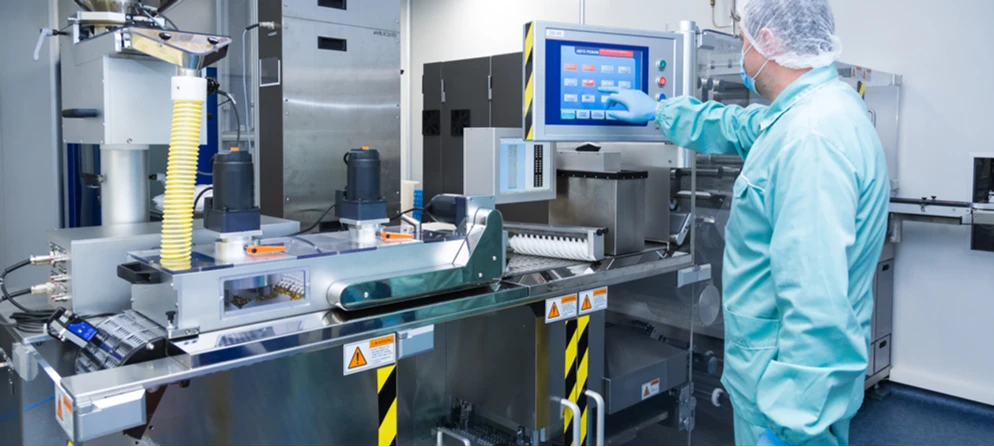
Types of Biochemistry Analysers
Biochemistry analysers are broadly classified into two types:
- Semi-Automated Biochemistry Analysers
- Fully Automated Biochemistry Analysers
Both types are widely used in diagnostic laboratories. The right choice depends on the specific needs and workload of the laboratory rather than simply choosing the latest technology.
Sample Volume Is the Most Important Factor
The most important factor in selecting a biochemistry analyser is the number of samples your laboratory processes every day.
Laboratories with a smaller daily sample load can efficiently operate using a semi-automated analyser. However, as the number of patient samples increases, a fully automated analyser becomes a more suitable option because it is designed to handle larger workloads with greater consistency.
"Before investing in any analyser, estimate your expected daily sample volume and choose a machine that matches your laboratory's current and future requirements."
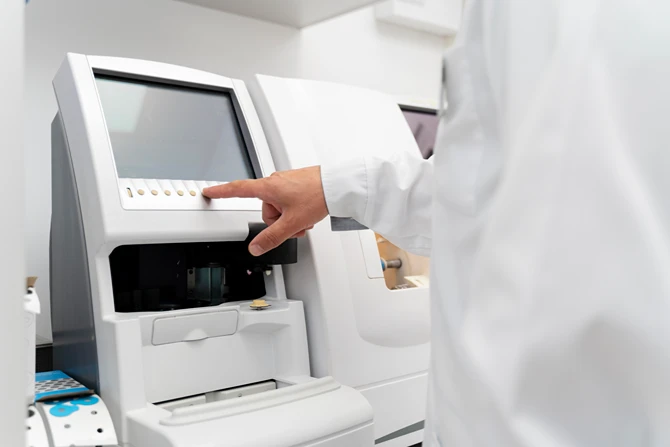
Factors to Consider Before Purchasing
Choosing a biochemistry analyser should not be based only on price. Several factors should be evaluated before making a purchase, including:
- Expected daily sample volume.
- Type of laboratory or diagnostic centre.
- Current workload and future expansion plans.
- Machine capacity and suitability for routine testing.
- Budget available for equipment investment.
Selecting the right analyser based on these factors helps improve laboratory efficiency and avoids unnecessary investment.
Semi-Automated vs Fully Automated Analysers
A semi-automated analyser is generally suitable for laboratories with lower testing volumes and can provide reliable performance for routine biochemical investigations.
A fully automated analyser is better suited for laboratories handling a higher number of patient samples. It automates much of the testing process, making it ideal for centres with larger workloads and increasing diagnostic demands.
The choice between the two should always be based on the laboratory's operational requirements rather than technology alone.
Selecting the Right Machine for Your Centre
Every diagnostic centre has different testing requirements. A machine that works well for one laboratory may not be the best choice for another. Understanding your sample load, budget, and service requirements will help you select the most appropriate biochemistry analyser for your laboratory.
Making the right decision at the beginning supports smoother laboratory operations and allows the diagnostic centre to meet patient testing needs efficiently.
Conclusion
A biochemistry analyser is one of the core instruments in a diagnostic laboratory. Whether you choose a semi-automated or fully automated analyser, the decision should be based primarily on your laboratory's sample volume and operational needs. Careful planning before purchasing the equipment ensures better efficiency, optimal investment, and reliable laboratory performance.